88,800 views
10,700 likes
923 saves
*TikTok exclusive
sedyyfilms Shot entirely on the Galaxy S26. @samsung
People ask about the process behind my work more than they ask about anything else, and the part nobody has ever seen is the planning. Every shot exists in my head before I go anywhere, and the version of it I can actually show somebody is the one I build in Higgsfield. It is the only part of the job where a picture that is not real is worth something.
So the series is that stage, made visible. I plan a shoot in Higgsfield, then go and film it for real, and both halves go out together on my own channels. Some of them go back to the videos that built the page and show how one of those was put together. Nothing generated ever reaches the finished footage.
My work has been watched 700M+ times across platforms, and the question I am asked more than any other is how the videos are actually made.
A run of behind-the-scenes videos on my own channels, each one carrying a shoot from the planning through to the finished post. The plan and the result go out beside each other, so the process is the content instead of the thing hidden behind it.
The videos show the platform doing the job it was built for, which is holding one idea steady across a whole sequence until a brand can see the thing before it exists.
A first term like this, three months with the category held, is priced around $50,000. That covers the video posts and the carousel below, twelve months of organic usage, and no competitor of yours running beside it. Everything is tagged to you, and every video comes to you before anything is posted, with one round of changes included.
This is a starting point, not a fixed price. Tell me the budget you are working with and the package gets rebuilt around it, with the scope moved up or down to match.
The plan and the shoot it turned into, cut together and cross-posted to Instagram and TikTok.
Posted to 1M+ AudienceGoing back to one of the videos that built the page, and rebuilding how a shoot like it gets planned with nobody else on it.
Posted to 275K+ InstagramThe planning frames beside the finished frames they turned into, in the format my audience saves.
Posted to 275K+ InstagramDelivered in full resolution and licensed for your channels. 12 months organic and 30 days paid, both extendable.
Yours to Keep & RunNobody picks up a new tool on the strength of an advert. They watch somebody whose work they already trust build something, they want to know how it was put together, and they go and try it themselves that evening. The work lands first and the tool comes second.
Across the 126 videos I have posted in the last nine months my videos average 332K views each. Over the same nine months that came to 513K saves and 579K shares, which are the two things nobody does by accident. Saving a post is somebody planning to come back to it, and sharing it is somebody putting their own name behind the recommendation. That is intent rather than attention, and it is the part that keeps working after the campaign ends. The videos stay up on my page, so somebody can find one a year from now and watch that camera being used.
Every figure in this section is Instagram alone over the last nine months. The same videos also run to a separate TikTok audience, so the real reach here is higher.

Real campaigns, real numbers. The standard I hold on every shoot, paid or my own.
A paid campaign for the Galaxy S26, built around Samsung’s new Horizontal Lock feature. Shot as a fully cinematic piece instead of a demo, with the feature used for real through story-first, face-forward filmmaking, so it plays like content first and an ad second.
The DJI Osmo 360 launch, captured as a single-take 360 story built to show the camera in real use, out shooting at golden hour. One tap, the whole scene.
The Insta360 Ace Pro 2 launch, shot as a cinematic low-light travel piece rather than a spec demo. That format carried it past half a million views on TikTok.
The Antigravity A1 flown at sunrise over Budapest, shot as a morning film instead of a product demo. The first 360 drone, shown doing the thing people actually want it for.
Sponsored storytelling for Wondershare’s creative software, Repairit and Recoverit. Two briefs that could easily have been screen-recorded tutorials, told instead as real moments from my own workflow.
Across the two posts: 115K+ views on Instagram and close to 100K more on TikTok, for a software tool. That is the point of the format. The product sits inside a story people already want to watch, and that carries over directly to a camera I would be filming with in every frame.
The question underneath my work is almost always about how it was made, and that curiosity is the whole reason a tool in my hands travels further than an advert for it.
My content opens on me, not the view, and my audience knows my face and trusts my taste. So when a car appears in my frame, the comments fill with people asking what it is and where to find one.
Every piece is color-graded, sound-designed, and paced for emotion, so it plays as content first and advert second, and sponsored work sits on my grid without breaking it.
That is likes, comments, saves and shares measured against the reach of each post, and half of everything I put out does better than it. These are not passive followers. They save, share, and DM asking "where is this?" and "what did you shoot this on?" within hours of a post going live.
Everything I post is built on story, cinematography and the feeling of actually being there, as that is what my audience stays for and why they trust what I show them. That trust is what a brand steps into when we work together.
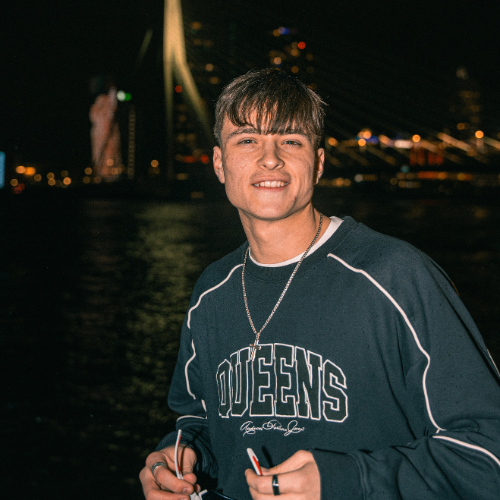
Eduard crafts cinematic travel and lifestyle visuals that fully immerse audiences into his world. His content evokes emotion, inspires adventure, and consistently resonates at scale, built on a foundation of authentic storytelling and a filmmaker's eye for every frame. His work has reached over 700M views and earned the trust of some of the world's most recognizable brands.